Navigating the Complex World of Electronic Devices: From History to Troubleshooting and Product Presentation Techniques
Category : | Sub Category : Posted on 2024-10-05 22:25:23
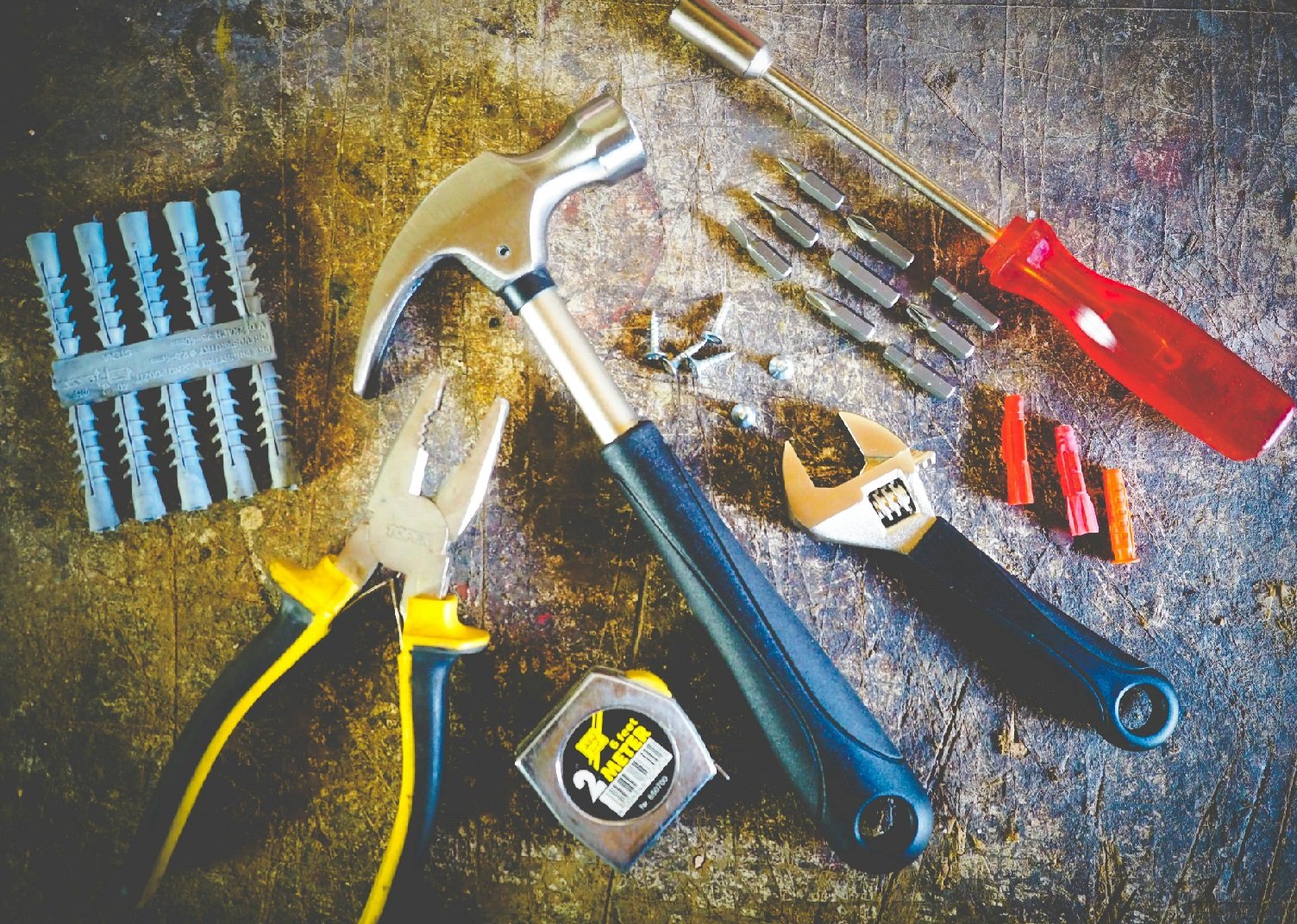
In today's fast-paced world, Electronic devices have become an integral part of our daily lives. From smartphones to laptops, these gadgets have transformed the way we communicate, work, and entertain ourselves. However, as convenient as these devices are, they can also be frustrating at times, especially when they encounter technical issues or when you need to effectively present them to potential customers. In this blog post, we will delve into the history of electronic devices, troubleshooting common problems, and discuss product presentation techniques to help you navigate the complex world of technology. History of Electronic Devices: The history of electronic devices dates back to the late 19th century when inventors like Thomas Edison and Nikola Tesla paved the way for modern electronics. The first electronic devices were basic and primarily used for communication and scientific experiments. However, with advancements in technology, the world witnessed the development of more sophisticated gadgets like radios, televisions, and computers. Troubleshooting Electronic Devices: While electronic devices have made our lives easier, they are not immune to technical glitches. When faced with issues like a frozen screen, battery drainage, or connectivity problems, troubleshooting becomes essential. To effectively troubleshoot electronic devices, start by identifying the root cause of the problem. This could be a software glitch, hardware malfunction, or user error. Once you have pinpointed the issue, research online resources, consult user manuals, or seek help from customer support to find a solution. Product Presentation Techniques: Whether you are a sales representative showcasing the latest smartphone or a tech enthusiast giving a product demo, mastering product presentation techniques is crucial. To captivate your audience and highlight the features of the electronic device, consider the following tips: 1. Know Your Audience: Understand the needs and preferences of your audience to tailor your presentation accordingly. 2. Highlight Key Features: Focus on the unique selling points of the device and demonstrate how it can benefit the user. 3. Use Visual Aids: Utilize videos, images, and interactive presentations to engage your audience and make the product demonstration more dynamic. 4. Practice Active Listening: Encourage feedback and questions from your audience to create a more interactive presentation. 5. Showcase Use Cases: Demonstrate real-life scenarios where the electronic device can be used to showcase its versatility and functionality. In conclusion, electronic devices have come a long way from their humble beginnings, shaping the way we live and work. By understanding the history of electronic devices, mastering troubleshooting techniques, and honing your product presentation skills, you can navigate the ever-evolving world of technology with confidence and expertise. Whether you are a consumer, a tech enthusiast, or a sales professional, these insights will help you make the most of your electronic devices and excel in presenting them to others.
Leave a Comment:
SEARCH
Recent News
- If you are facing issues with your Vancouver business, troubleshooting can help you identify and solve the problems effectively. In this blog post, we will discuss some common challenges that businesses in Vancouver may encounter and provide some troubleshooting tips to address them.
- If you are a small business owner in the UK seeking government support, you may have encountered challenges or difficulties when trying to navigate the various business support programs available. It's not uncommon to face issues or confusion when applying for government support, but with some troubleshooting tips, you can increase your chances of successfully accessing the assistance you need.
- When it comes to exporting and importing goods to and from the UK, navigating the rules and regulations can sometimes be a challenging task. Understanding and complying with the UK export and import rules is essential to ensure a smooth and successful trading process.
- Tokyo is a vibrant hub for startups, with a growing ecosystem of entrepreneurs and innovators. However, like any other startup ecosystem, companies in Tokyo face their fair share of challenges and roadblocks. In this blog post, we will discuss some common troubleshooting issues faced by Tokyo startups and explore strategies to overcome them.
- Troubleshooting Tokyo Business: Tips for Overcoming Common Challenges
- Sydney is a vibrant and bustling city filled with a diverse range of businesses. From bustling cafes to high-rise corporate offices, the business landscape in Sydney is constantly evolving. However, running a business in Sydney comes with its fair share of challenges and obstacles. In this blog post, we will discuss some common troubleshooting tips for businesses in Sydney to help overcome these challenges and ensure smooth operations.
- Troubleshooting Common Challenges in Sudanese Businesses
- In today's world, smart cities are becoming increasingly common as technology continues to advance and improve the way we live. These cities utilize various sensors, cameras, and data analysis to optimize services and enhance the quality of life for residents. However, like any technological system, smart cities are not immune to issues and may require troubleshooting to maintain their functionality.
READ MORE
9 months ago Category :

If you are facing issues with your Vancouver business, troubleshooting can help you identify and solve the problems effectively. In this blog post, we will discuss some common challenges that businesses in Vancouver may encounter and provide some troubleshooting tips to address them.
Read More →9 months ago Category :

If you are a small business owner in the UK seeking government support, you may have encountered challenges or difficulties when trying to navigate the various business support programs available. It's not uncommon to face issues or confusion when applying for government support, but with some troubleshooting tips, you can increase your chances of successfully accessing the assistance you need.
Read More →9 months ago Category :

When it comes to exporting and importing goods to and from the UK, navigating the rules and regulations can sometimes be a challenging task. Understanding and complying with the UK export and import rules is essential to ensure a smooth and successful trading process.
Read More →9 months ago Category :
