Unveiling the Evolution of Electronic Devices: A DIY Home Troubleshooting Guide
Category : | Sub Category : Posted on 2024-10-05 22:25:23
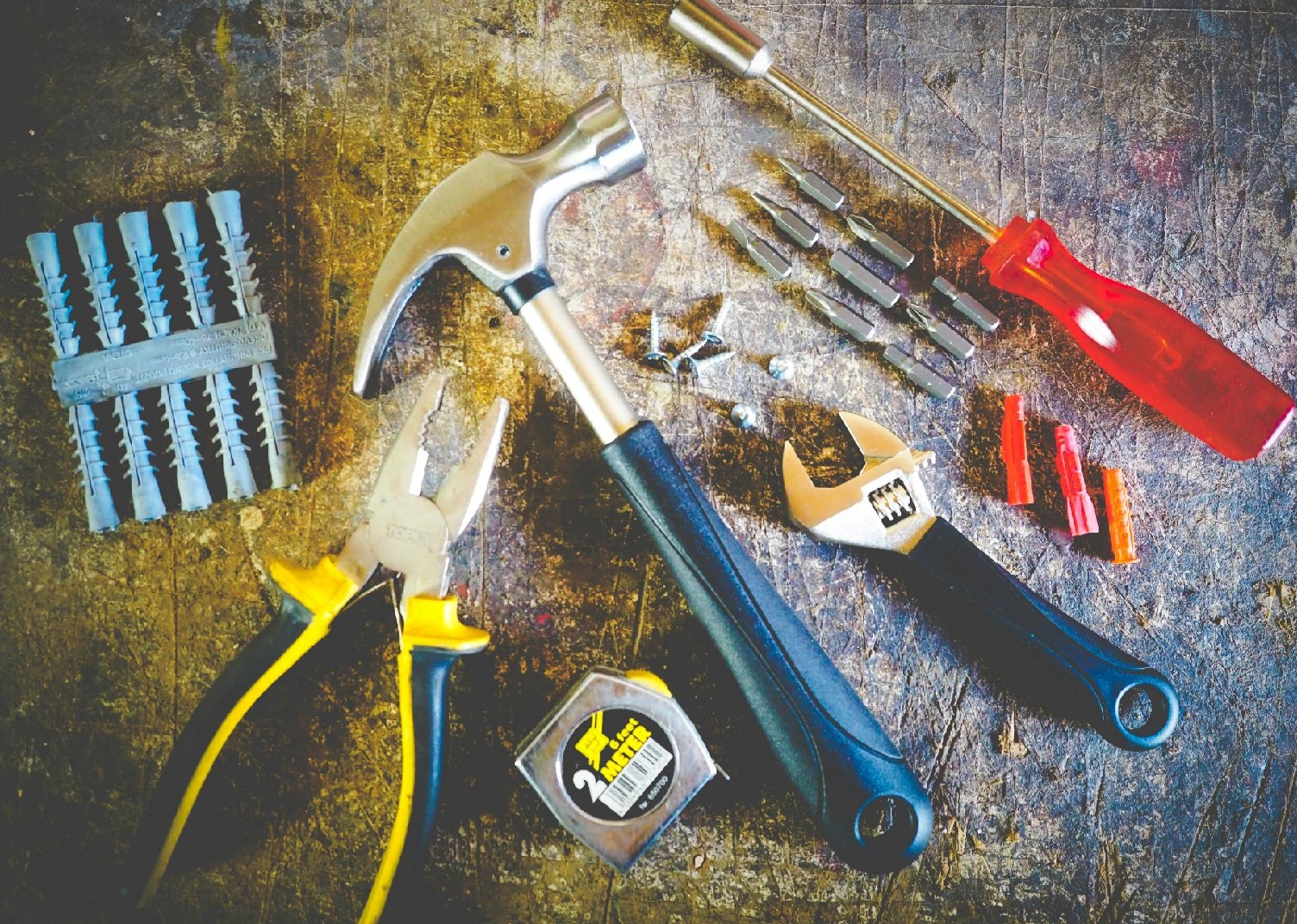
In today's digital age, Electronic devices have become an indispensable part of our daily lives. From smartphones and laptops to smart home gadgets and wearable technology, we rely on these devices to stay connected, entertained, and productive. However, as convenient as they may be, electronic devices are not immune to malfunctions and glitches. In this blog post, we will delve into the history of electronic devices and provide you with a DIY home troubleshooting guide to help you keep your devices in top condition. **The Evolution of Electronic Devices** The journey of electronic devices dates back to the late 19th century with the invention of the first electrical telegraph and telephone. Over the years, advancements in technology have led to the development of a wide array of electronic devices, each more sophisticated than the last. From the invention of the transistor in the 1940s to the rise of microelectronics in the 1970s and the advent of the internet in the 1990s, electronic devices have come a long way in terms of functionality, design, and portability. **DIY Home Troubleshooting Guide** While electronic devices have become more reliable over the years, they are still prone to issues such as software glitches, hardware malfunctions, and connectivity problems. Instead of rushing to the nearest repair shop or calling customer support, you can try to troubleshoot the issue at home with the help of these DIY tips: 1. **Restart the Device**: Sometimes, a simple restart can resolve many common issues like frozen screens or unresponsive apps. 2. **Check for Software Updates**: Make sure your device's operating system and apps are up to date to prevent bugs and security vulnerabilities. 3. **Inspect the Hardware**: Check for any visible signs of damage such as cracks, dents, or loose connections. Ensure all cables and components are properly plugged in. 4. **Clear Storage Space**: If your device is running out of storage, it may slow down or malfunction. Delete unnecessary files or apps to free up space. 5. **Perform a Factory Reset**: As a last resort, you can perform a factory reset to restore your device to its original settings. Make sure to back up your data before doing so. By following these DIY troubleshooting steps, you can potentially save time and money by resolving minor issues on your own. However, if the problem persists or if you are unsure about performing any troubleshooting steps, it is recommended to seek professional help to avoid causing further damage to your device. In conclusion, electronic devices have come a long way since their inception, offering us convenience and connectivity like never before. With a better understanding of their history and some basic troubleshooting skills, you can ensure that your devices continue to serve you efficiently for years to come. For a deeper dive, visit: https://www.svop.org Expand your knowledge by perusing https://www.mimidate.com To find answers, navigate to https://www.tknl.org
Leave a Comment:
SEARCH
Recent News
- If you are facing issues with your Vancouver business, troubleshooting can help you identify and solve the problems effectively. In this blog post, we will discuss some common challenges that businesses in Vancouver may encounter and provide some troubleshooting tips to address them.
- If you are a small business owner in the UK seeking government support, you may have encountered challenges or difficulties when trying to navigate the various business support programs available. It's not uncommon to face issues or confusion when applying for government support, but with some troubleshooting tips, you can increase your chances of successfully accessing the assistance you need.
- When it comes to exporting and importing goods to and from the UK, navigating the rules and regulations can sometimes be a challenging task. Understanding and complying with the UK export and import rules is essential to ensure a smooth and successful trading process.
- Tokyo is a vibrant hub for startups, with a growing ecosystem of entrepreneurs and innovators. However, like any other startup ecosystem, companies in Tokyo face their fair share of challenges and roadblocks. In this blog post, we will discuss some common troubleshooting issues faced by Tokyo startups and explore strategies to overcome them.
- Troubleshooting Tokyo Business: Tips for Overcoming Common Challenges
- Sydney is a vibrant and bustling city filled with a diverse range of businesses. From bustling cafes to high-rise corporate offices, the business landscape in Sydney is constantly evolving. However, running a business in Sydney comes with its fair share of challenges and obstacles. In this blog post, we will discuss some common troubleshooting tips for businesses in Sydney to help overcome these challenges and ensure smooth operations.
- Troubleshooting Common Challenges in Sudanese Businesses
- In today's world, smart cities are becoming increasingly common as technology continues to advance and improve the way we live. These cities utilize various sensors, cameras, and data analysis to optimize services and enhance the quality of life for residents. However, like any technological system, smart cities are not immune to issues and may require troubleshooting to maintain their functionality.
READ MORE
9 months ago Category :

If you are facing issues with your Vancouver business, troubleshooting can help you identify and solve the problems effectively. In this blog post, we will discuss some common challenges that businesses in Vancouver may encounter and provide some troubleshooting tips to address them.
Read More →9 months ago Category :

If you are a small business owner in the UK seeking government support, you may have encountered challenges or difficulties when trying to navigate the various business support programs available. It's not uncommon to face issues or confusion when applying for government support, but with some troubleshooting tips, you can increase your chances of successfully accessing the assistance you need.
Read More →9 months ago Category :

When it comes to exporting and importing goods to and from the UK, navigating the rules and regulations can sometimes be a challenging task. Understanding and complying with the UK export and import rules is essential to ensure a smooth and successful trading process.
Read More →9 months ago Category :
