Developing Essential DIY Home Troubleshooting Skills
Category : | Sub Category : Posted on 2024-10-05 22:25:23
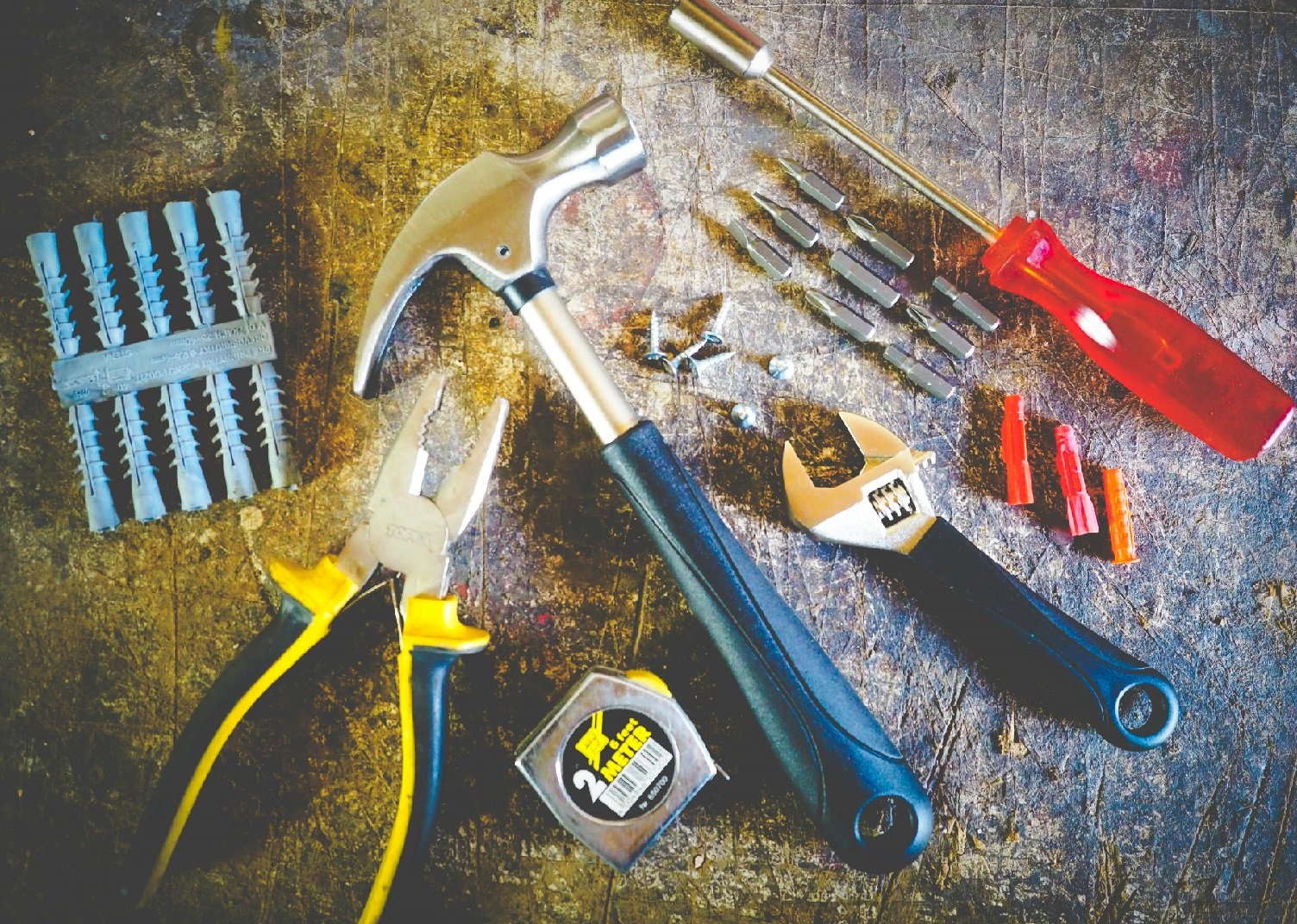
Are you tired of calling professionals every time something goes wrong in your home? Developing DIY home troubleshooting skills can save you time and money while empowering you to tackle common household issues on your own. Not only does it feel rewarding to fix things yourself, but it also enhances your problem-solving abilities and confidence in handling basic maintenance tasks around the house. Here are some essential skills you can work on to become a proficient DIY home troubleshooter: 1. Basic Plumbing Repairs: Leaky faucets, clogged drains, and running toilets are common plumbing issues that can be easily fixed with the right tools and knowledge. Learning how to shut off the water supply, use a plunger, and replace washers can help you tackle these issues effectively. 2. Electrical Troubleshooting: Knowing how to safely work with electrical components is crucial when dealing with issues like tripped circuit breakers, malfunctioning outlets, or flickering lights. Learn how to use a multimeter, identify wiring problems, and replace switches or outlets following proper procedures. 3. Appliance Maintenance: Regular maintenance and troubleshooting of household appliances can extend their lifespan and prevent costly repairs. Familiarize yourself with cleaning filters, checking for leaks, and troubleshooting common problems in appliances like refrigerators, washing machines, and dishwashers. 4. Drywall Repairs: Holes, cracks, and dents in drywall are common issues that can easily be fixed with some basic tools and materials. Learn how to patch holes, tape seams, and apply joint compound to restore your walls to their original condition. 5. HVAC System Troubleshooting: Understanding how your heating, ventilation, and air conditioning system works can help you diagnose and fix issues related to inadequate heating or cooling, poor airflow, or strange noises coming from the system. Basic maintenance tasks like cleaning filters and checking ducts can improve the efficiency of your HVAC system. 6. Painting and Caulking: Keeping your home looking fresh and well-maintained involves regular painting and caulking to protect surfaces and prevent moisture damage. Learn how to prepare surfaces, choose the right paint and caulk, and apply them correctly for a professional-looking finish. 7. Basic Carpentry: Knowing how to use essential carpentry tools and techniques can come in handy for small woodworking projects or repairs around the house. Practice measuring, cutting, sanding, and finishing wood to build simple structures or fix furniture. By honing these DIY home troubleshooting skills, you can become more self-reliant and proficient in handling common household issues. Remember to prioritize safety, do thorough research before starting a project, and don't hesitate to seek professional help if needed. With practice and patience, you'll gradually build your confidence and expertise in maintaining and improving your living space. Happy troubleshooting! Want a more profound insight? Consult https://www.deberes.org
https://desencadenar.org
Leave a Comment:
SEARCH
Recent News
- If you are facing issues with your Vancouver business, troubleshooting can help you identify and solve the problems effectively. In this blog post, we will discuss some common challenges that businesses in Vancouver may encounter and provide some troubleshooting tips to address them.
- If you are a small business owner in the UK seeking government support, you may have encountered challenges or difficulties when trying to navigate the various business support programs available. It's not uncommon to face issues or confusion when applying for government support, but with some troubleshooting tips, you can increase your chances of successfully accessing the assistance you need.
- When it comes to exporting and importing goods to and from the UK, navigating the rules and regulations can sometimes be a challenging task. Understanding and complying with the UK export and import rules is essential to ensure a smooth and successful trading process.
- Tokyo is a vibrant hub for startups, with a growing ecosystem of entrepreneurs and innovators. However, like any other startup ecosystem, companies in Tokyo face their fair share of challenges and roadblocks. In this blog post, we will discuss some common troubleshooting issues faced by Tokyo startups and explore strategies to overcome them.
- Troubleshooting Tokyo Business: Tips for Overcoming Common Challenges
- Sydney is a vibrant and bustling city filled with a diverse range of businesses. From bustling cafes to high-rise corporate offices, the business landscape in Sydney is constantly evolving. However, running a business in Sydney comes with its fair share of challenges and obstacles. In this blog post, we will discuss some common troubleshooting tips for businesses in Sydney to help overcome these challenges and ensure smooth operations.
- Troubleshooting Common Challenges in Sudanese Businesses
- In today's world, smart cities are becoming increasingly common as technology continues to advance and improve the way we live. These cities utilize various sensors, cameras, and data analysis to optimize services and enhance the quality of life for residents. However, like any technological system, smart cities are not immune to issues and may require troubleshooting to maintain their functionality.
READ MORE
9 months ago Category :

If you are facing issues with your Vancouver business, troubleshooting can help you identify and solve the problems effectively. In this blog post, we will discuss some common challenges that businesses in Vancouver may encounter and provide some troubleshooting tips to address them.
Read More →9 months ago Category :

If you are a small business owner in the UK seeking government support, you may have encountered challenges or difficulties when trying to navigate the various business support programs available. It's not uncommon to face issues or confusion when applying for government support, but with some troubleshooting tips, you can increase your chances of successfully accessing the assistance you need.
Read More →9 months ago Category :

When it comes to exporting and importing goods to and from the UK, navigating the rules and regulations can sometimes be a challenging task. Understanding and complying with the UK export and import rules is essential to ensure a smooth and successful trading process.
Read More →9 months ago Category :
